Choosing between full truckload and less than truckload shipping can affect your budget, delivery plan, and freight handling. A shipment that fits in a shared trailer may still need a dedicated truck if it has unusual dimensions, a strict receiving window, or special handling requirements. Paying for an entire trailer may make little sense for a compact, flexible shipment.
For businesses arranging freight in Brampton, the useful question is: which service fits this load? Here is how to compare FTL and LTL transportation before requesting a quote.
What Is Full Truckload Shipping?
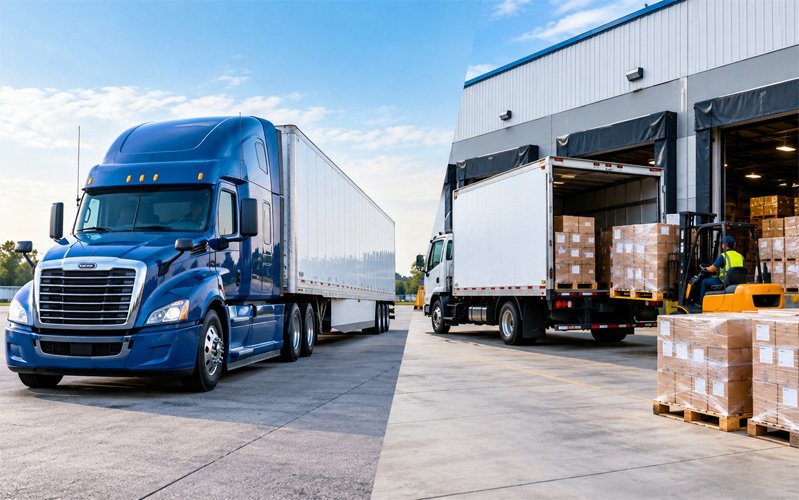
Full truckload, or FTL, generally means one shipper books a truck or trailer for its freight rather than sharing that capacity with unrelated shipments. The load does not have to fill every inch of the vehicle. A company may choose FTL because its freight occupies substantial space, needs a specific equipment arrangement, or should travel under a more controlled pickup and delivery plan.
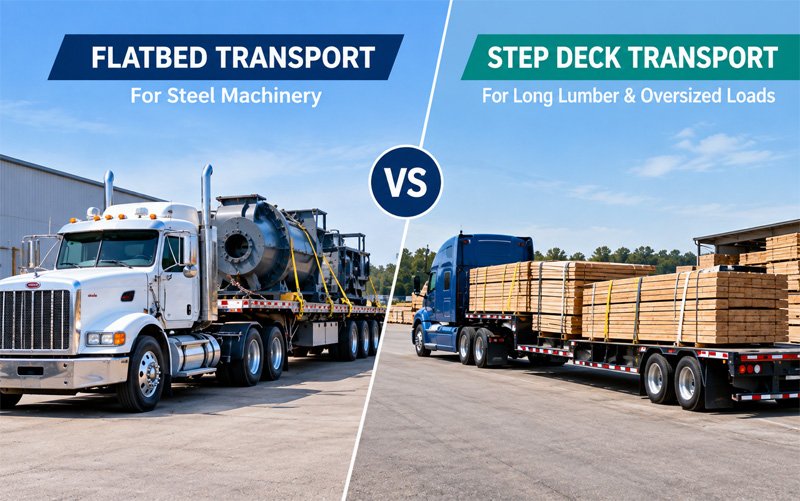
For example, a manufacturer moving a large order of packaged goods to one distribution centre may benefit from a dedicated trailer. The same can be true for machinery or products that should not be repeatedly transferred between vehicles. The actual route, equipment, loading requirements, and timing still need to be confirmed when booking.
What Is Less Than Truckload Shipping?
Less than truckload, or LTL, combines freight from multiple shippers in available trailer space. Each customer pays for the space and service their shipment requires rather than booking the whole trailer. LTL can be a sensible option for smaller palletized orders, replenishment shipments, and businesses that send freight regularly but do not need a dedicated vehicle each time.
Shared transportation often involves collection, sorting, and transfer through a freight network. That makes accurate dimensions, sturdy packaging, readable labels, and complete delivery instructions especially important. An LTL shipment should be prepared for the handling involved in its planned service, not merely secured well enough to leave the shipper’s dock.
Compare the Total Cost, Not Just the Quoted Rate
LTL may have a lower initial price for a small shipment, while FTL may offer better value as the load grows or handling becomes more complicated. But the base freight rate is only one part of the comparison. Ask whether pickup or delivery appointments, a liftgate, limited-access service, waiting time, special handling, or other requirements are included in the quotation.
Also consider the cost of disruption. If a late delivery would stop a production line or leave a customer without inventory, a lower transport rate might not be the best business decision. That does not mean FTL automatically guarantees faster delivery. It means the service should be evaluated against the actual delivery window and the consequences of missing it.
Think About Handling and Delivery Requirements
The more often a shipment is handled, the more important its packaging and documentation become. FTL can reduce planned transfers because the load may remain on a dedicated vehicle between pickup and delivery. LTL can involve additional handling, depending on the route and carrier network. Neither service removes the need for suitable loading, blocking, bracing, and shipment documentation.
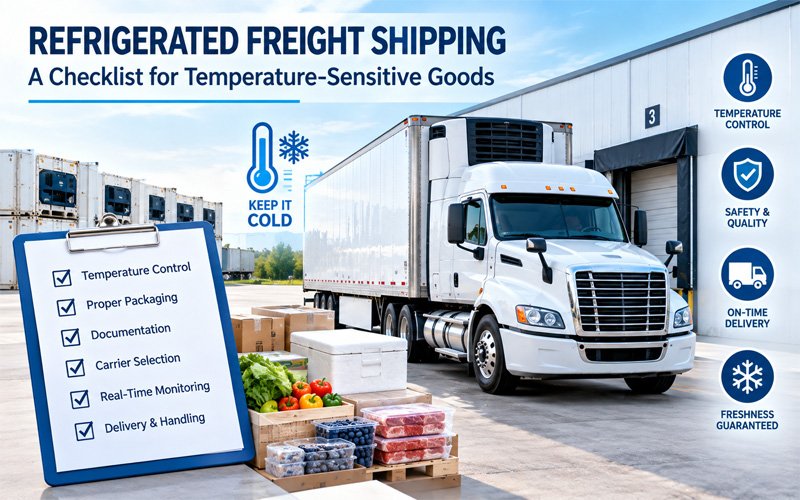
Tell the transportation provider if the freight cannot be stacked, must remain upright, needs temperature control, or requires an appointment. Share access restrictions at both ends. A warehouse with a standard dock is different from a delivery point with no dock, narrow access, or limited receiving hours. These details can change the equipment and service proposed.
When Should You Choose FTL or LTL?
FTL is worth considering when the shipment uses a large portion of a trailer, requires dedicated capacity, has unusual dimensions, or needs a closely coordinated pickup and delivery. LTL is worth considering when the shipment is smaller, properly packaged for shared transport, and the delivery schedule allows for the service offered.
There is no universal pallet count at which one option becomes better. Freight density, dimensions, destination, equipment, and available service all affect the answer. If a shipment falls between typical LTL and FTL needs, ask whether another arrangement is available.
What Information Should You Provide for a Quote?
Prepare the pickup and delivery locations, ready date, required arrival date, number of pieces or pallets, total weight, and dimensions. Describe the goods accurately. Add details about packaging, stackability, loading equipment, dock access, appointments, and any special handling. If the shipment is temperature sensitive or oversized, say so at the start.
Clockwork Warehousing Ltd. lists both full truckload and less than truckload transportation among its services. Share the full shipment details when requesting a quote so the team can review the load, route coverage, equipment availability, and delivery needs before recommending an option. The right choice is the one that fits the freight and the receiving plan, not simply the lowest number on the first estimate.